While diversity undeniably adds richness and innovation to any organization, it inherently introduces the complexity of varied working styles, often leading to increased friction, strategic misalignment, and significant role ambiguity if not proactively managed.
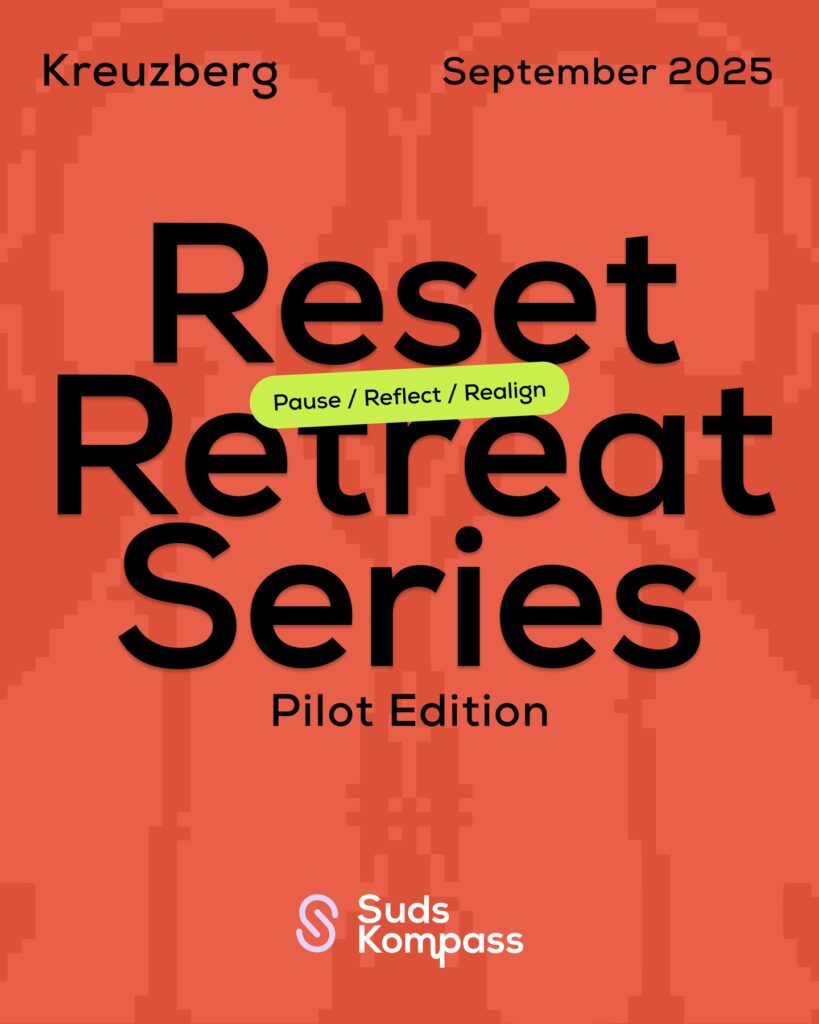
Al-Suds (السدس): Arabic for sextant — a celestial navigation tool.
Kompass: German for compass — purpose, movement, direction.
Navigation isn’t a one-time event; it’s a practice. The Team Pod is a dedicated, immersive space for teams to drop anchor and recalibrate, in the fast-moving currents.
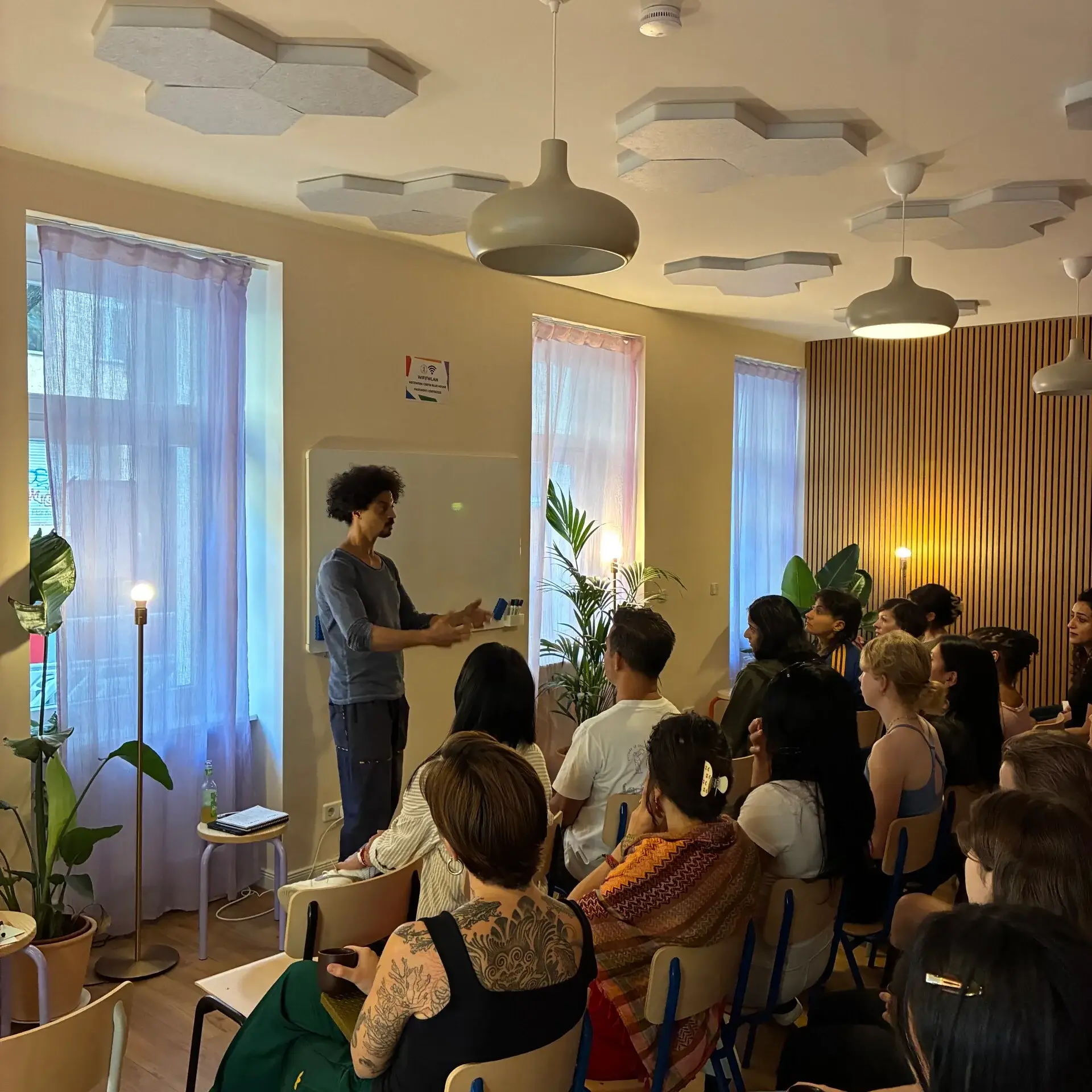
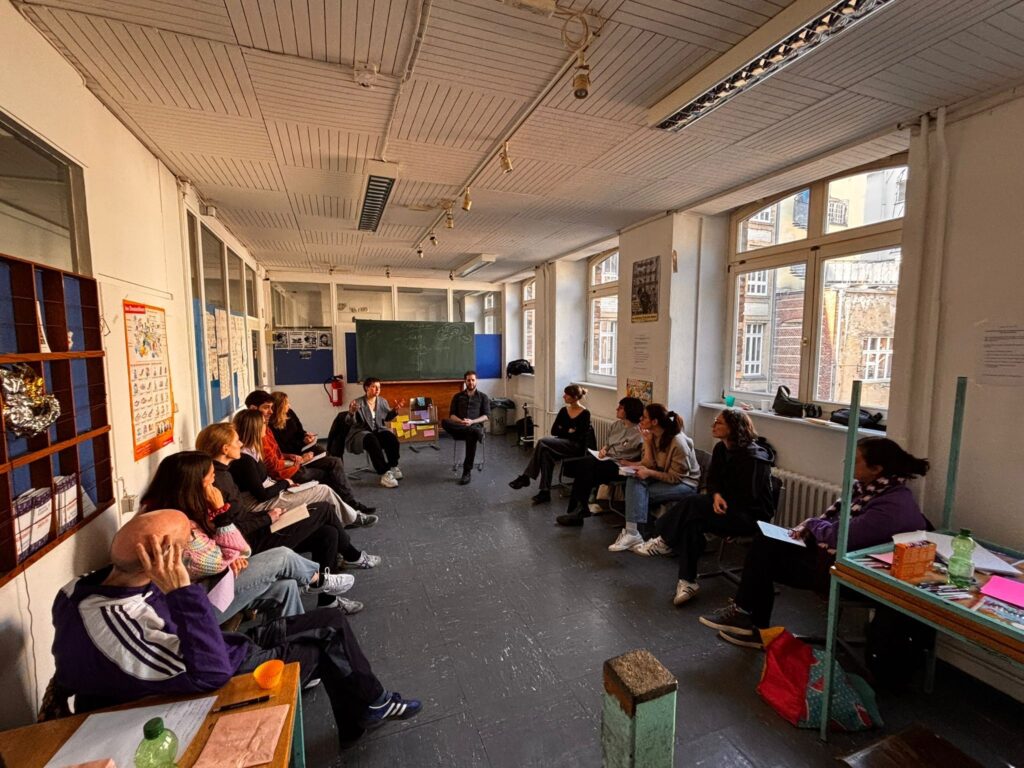
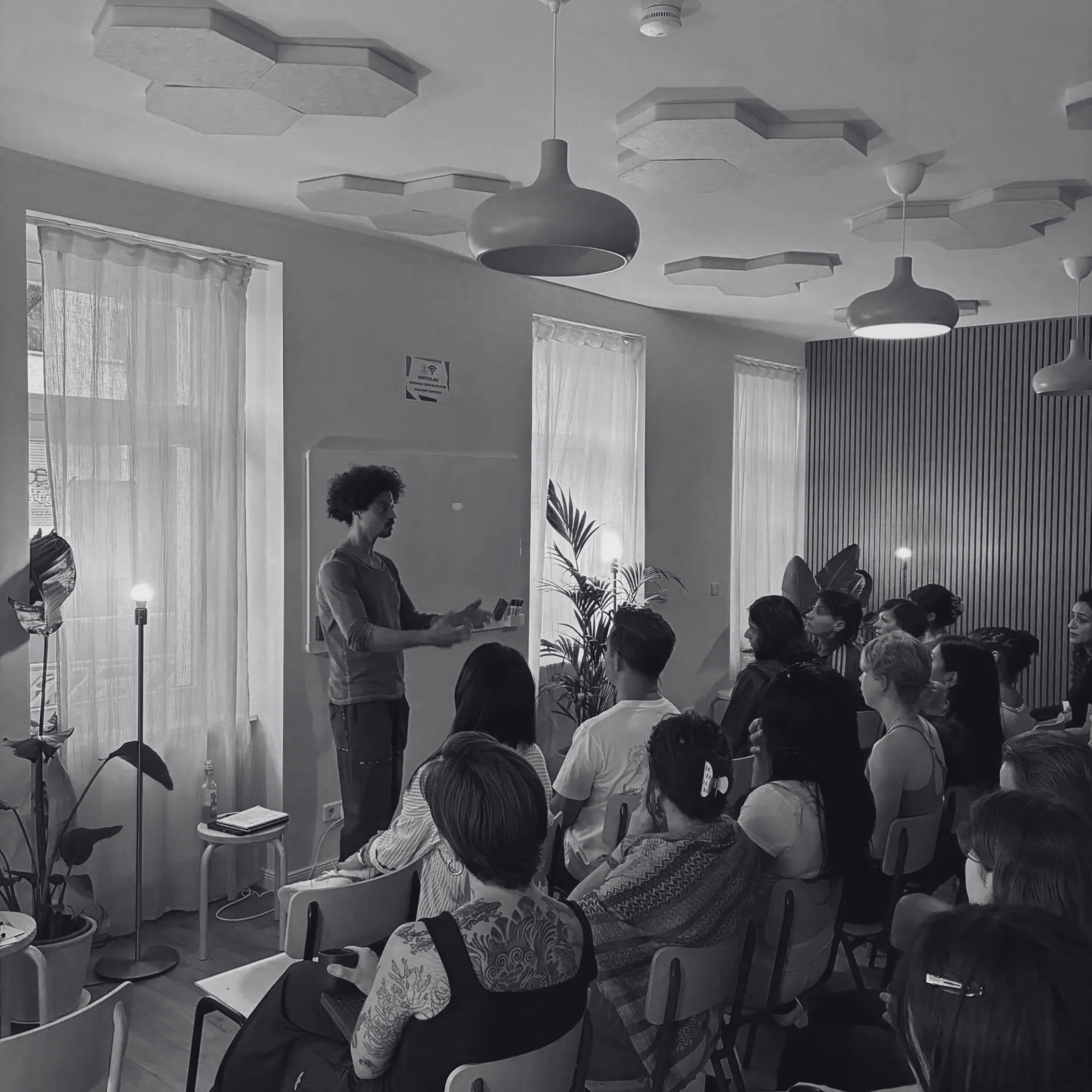
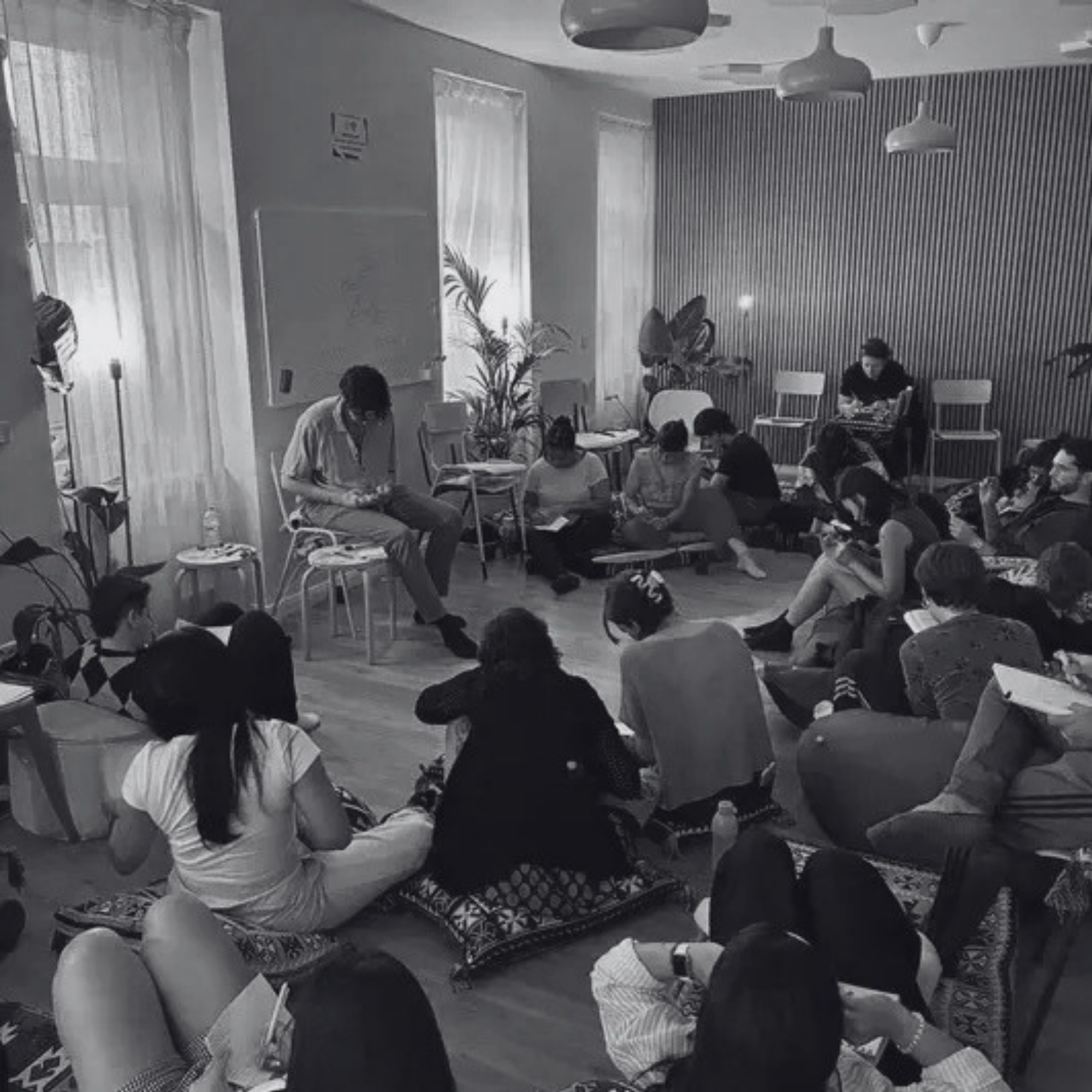
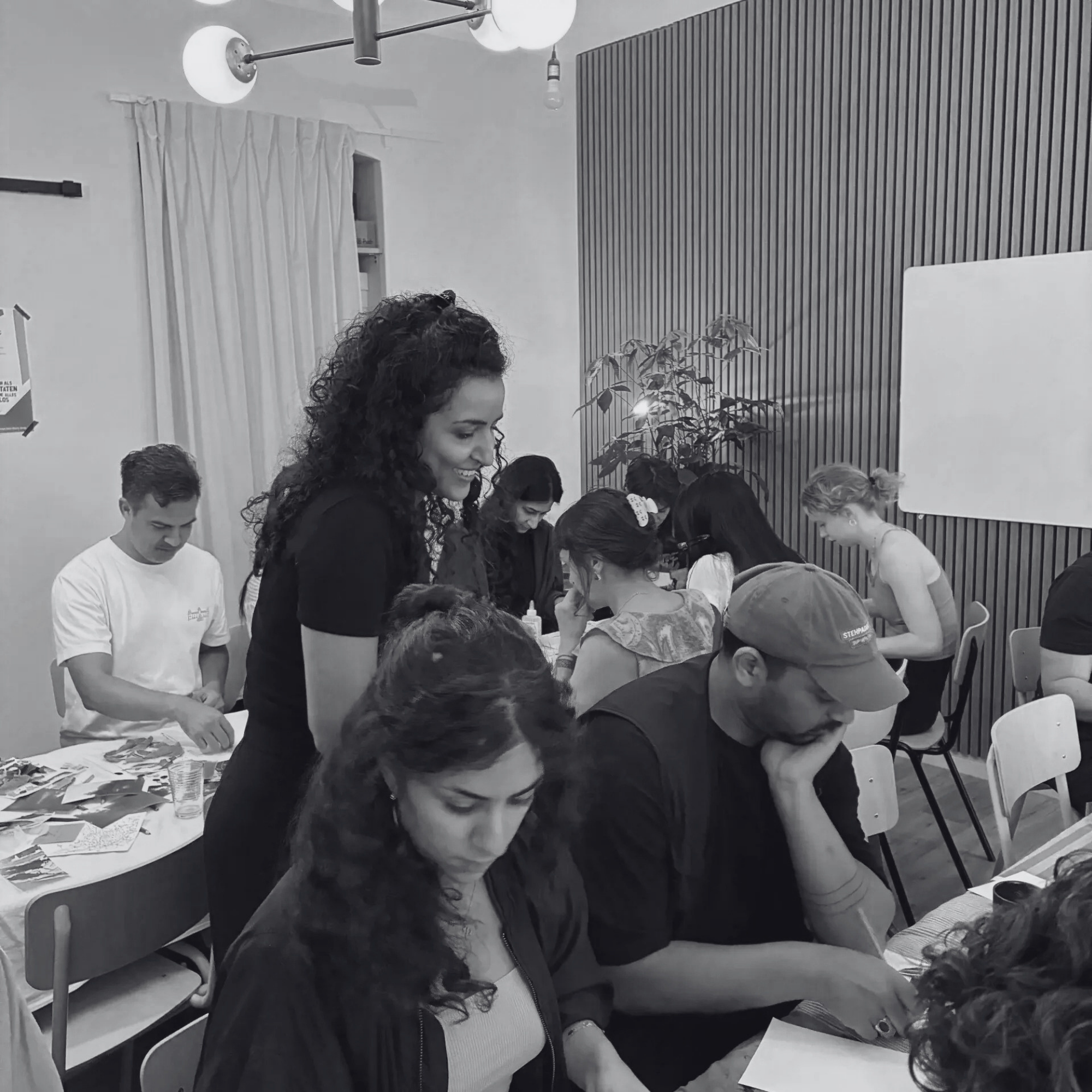
The Team Pod is designed for teams that refuse to drift. Whether you are an NGO navigating global challenges, a startup scaling through chaos, or a cross-cultural team bridging worlds, our Pods provide the psychological safety and strategic clarity needed to transform friction into flow.
Growth is a collective journey. While our Team Pods are built for existing organizations, Open Pods are for anyone who believes that we navigate life and work better when we do it together.
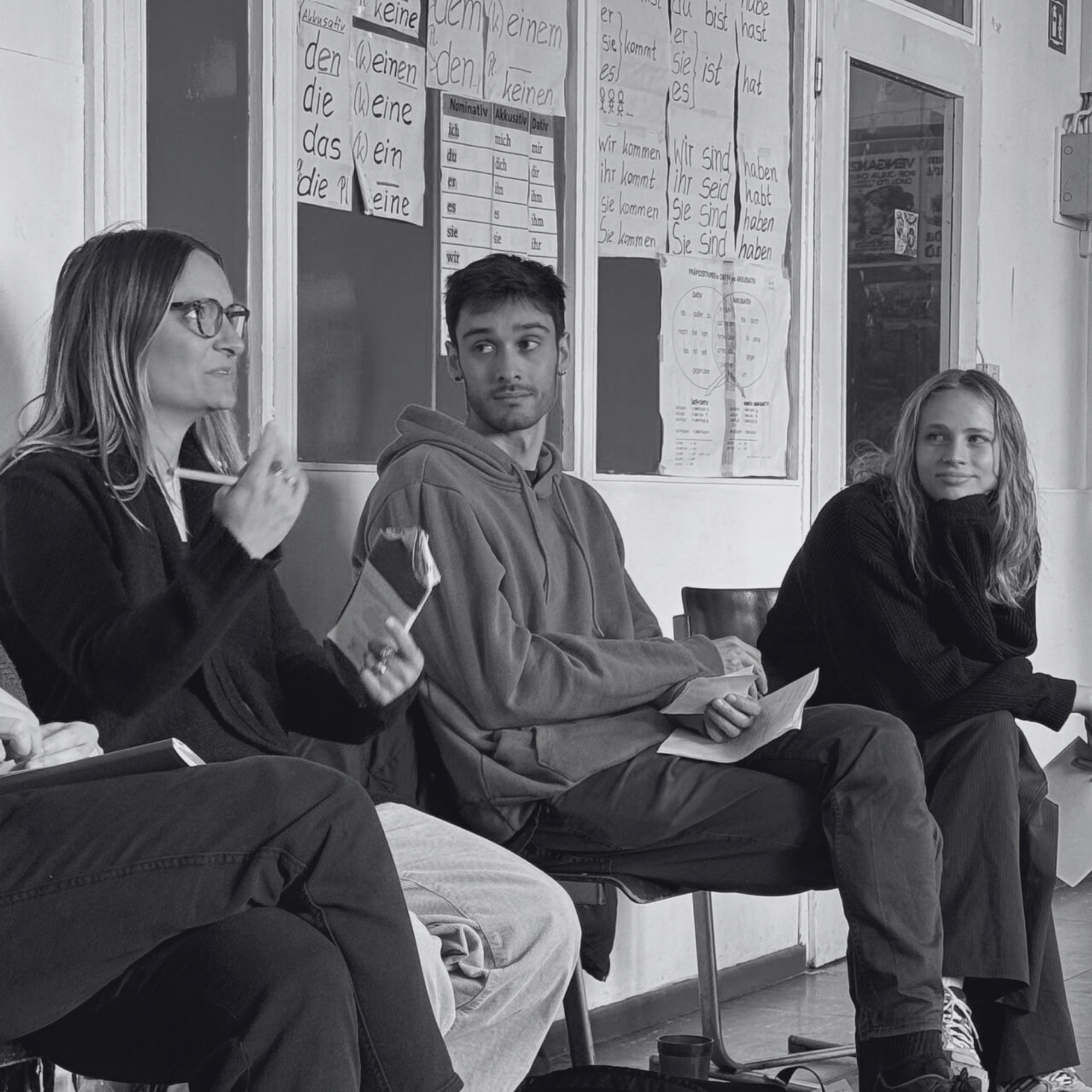
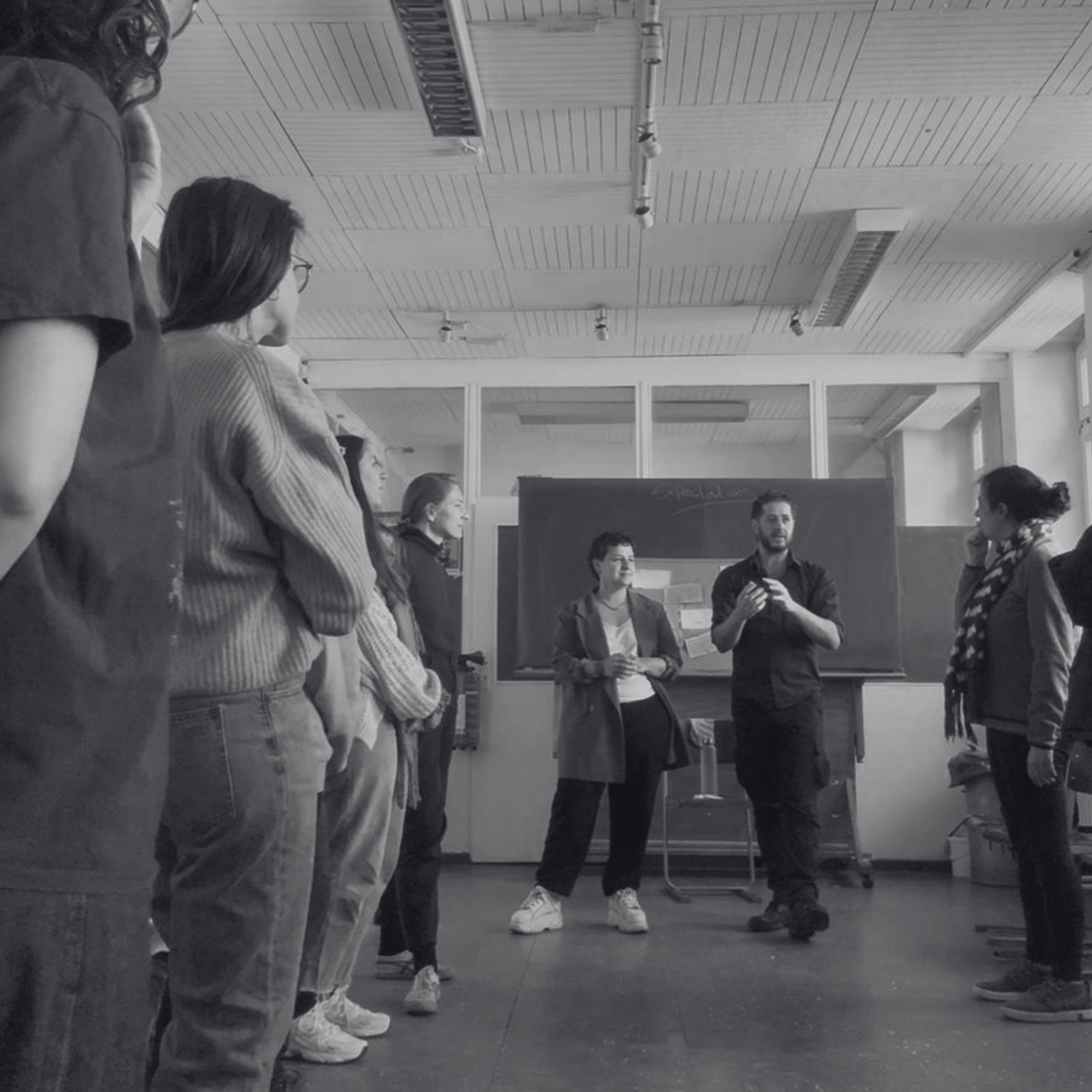
An Open Pod is a shared space where people from all walks of life come to practice the art of human connection. We bring together a diverse mix of voices—across cultures, identities, and life stages—to learn how to listen deeply, speak with clarity, and navigate their worlds.
oday’s teams are increasingly global, digital, and diverse, bringing a wider range of perspectives and experiences, while simultaneously demanding a clearer sense of purpose and ethical alignment from their employers.
Yet 85% of employees experience workplace conflict. Despite the push for inclusion and collaboration,employees report dealing with some level of conflict in their professional lives, hindering productivity and team cohesion.
The cost of this tension is extremely high: almost half of all professionals (nearly 50%) admit to resigning from a role specifically because of unresolved workplace conflicts or unaddressed organizational issues.
A majority of human resources leaders, 76% to be exact, identify foundational miscommunication as the primary driver behind workplace tension, emotional drain, and reduced engagement.
This systemic friction drains resources, with management personnel forced to dedicate up to 40% of their valuable time not to strategy or growth, but to mediating ongoing interpersonal and team conflicts.